Posted by Molinnia Folops
Filed in Arts & Culture 11 views
When students look for academic support services, the first concern that comes to mind is often cost. No one wants to overspend, especially when budgets are tight, but paying too little can sometimes compromise the quality of work. Striking the right balance between cost and quality is crucial, and it requires a clear understanding of how pricing works, what extra features add value, and how to assess reliability.
Pricing in academic support services typically depends on several factors. The most common include the type of assignment, academic level, urgency, and length. A five-page undergraduate case study with a two-week deadline will usually cost far less than a ten-page graduate-level paper due in 48 hours.
Additional services can also influence the final price. Options like plagiarism reports, specific referencing styles, or priority status may come at a small extra cost. While these additions increase fees, they often improve the final product and can prevent issues such as accidental plagiarism or formatting errors. Tools like in-house price calculators give students transparency before committing to a service, making it easier to plan and budget effectively.
Smart students also look for legitimate ways to reduce their expenses. Many academic services offer first-order discounts, loyalty points, and promotional codes. Taking advantage of these options can significantly lower the cost without reducing quality.
For example, applying a promo code before placing an order might save 10-15%, and participating in a loyalty program can accumulate points toward future orders. These savings, combined with thoughtful planning, allow students to access professional academic assistance while staying within budget.
Students should also be cautious. Discounts advertised on third-party websites may not always apply or may have expiration dates. Always check terms and conditions to ensure the deal is valid and won’t affect deadlines or additional services.
Price alone is not a reliable indicator of quality. The true measure of value comes from the work’s accuracy, relevance, structure, and clarity. A moderately priced paper that meets all assignment requirements and adheres to academic standards can often outperform an expensive service that cuts corners.
Key elements to examine include:
At this stage, it’s also useful to review detailed evaluations of services. For example, if you’re considering a platform and want to know whether it delivers reliable and well-structured papers, checking a trusted source like Is Educibly reliable can provide insight into service performance, quality standards, and user experiences.
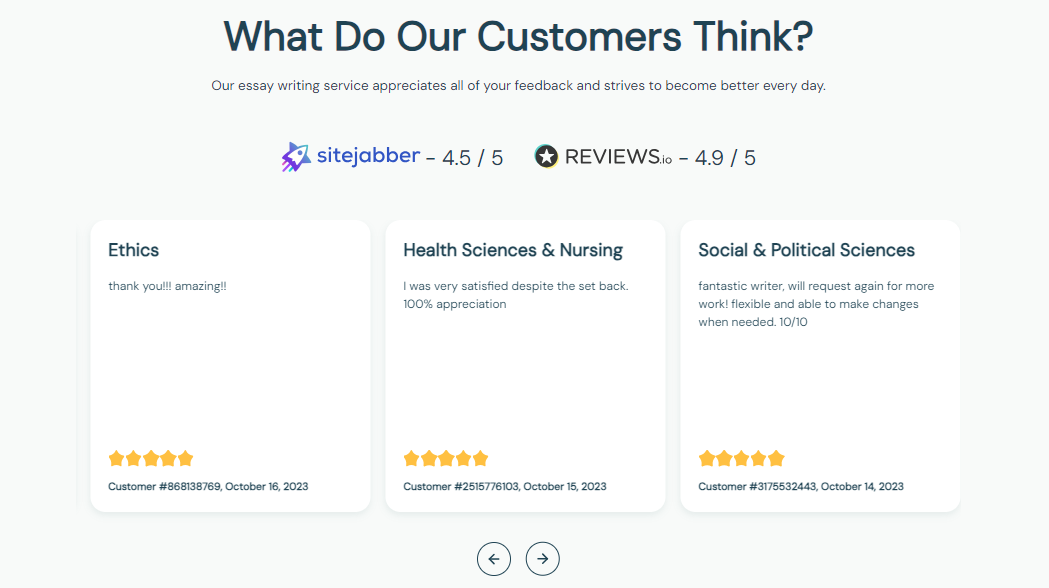
Another essential factor in the cost-quality equation is a service’s reputation. Online reviews, ratings, and testimonials reveal patterns of performance. A provider consistently praised for delivering accurate, timely, and well-formatted papers generally justifies its pricing, even if it’s slightly higher than competitors.
Students should approach reviews critically. A mix of perspectives often provides the clearest picture. Look for recurring points of praise or concern rather than isolated comments. Transparency about pricing, guarantees, and revision policies also signals professionalism and reliability.
Balancing cost and quality requires more than comparing numbers. Students should weigh:
Taking a systematic approach helps prevent regrets over overspending or receiving subpar work. Planning ahead, evaluating the total cost, and verifying quality standards often lead to satisfying outcomes.
Choosing an academic support service isn’t just about finding the lowest price—it’s about finding the right balance between cost and quality. A well-priced service that delivers structured, relevant, and accurate work can save both time and stress. By understanding pricing structures, using discounts wisely, evaluating the value of additional services, and considering reputation, students can make informed decisions.
Ultimately, investing a little more for a dependable, high-quality paper often outweighs the risks of choosing the cheapest option. Proper research, careful evaluation, and realistic budgeting ensure that the money spent on academic support services contributes directly to academic success.

