Posted by Kushalmarket Researchfuture Wed at 11:34 PM
Filed in Business 6 views
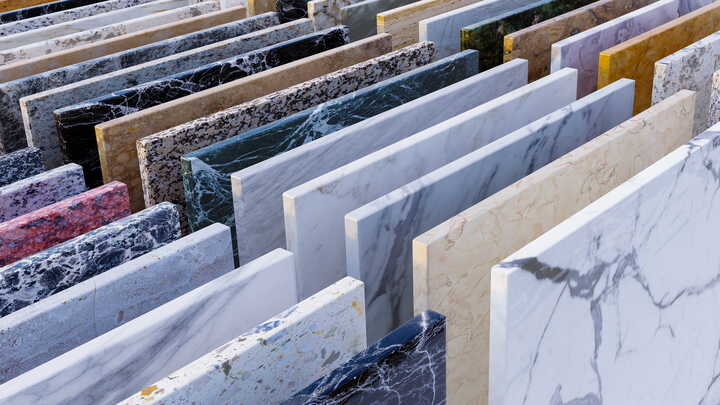
The marble industry has experienced notable transformation over the years, becoming a key component in modern construction and design. Its timeless elegance and durability have made it a preferred material for architects, designers, and homeowners alike. From luxury interiors to large-scale commercial projects, marble continues to play a significant role in shaping contemporary spaces.
According to a recent report by Market Research Future, the Marble Market is expanding steadily due to increasing urbanization and infrastructure development. The surge in residential and commercial construction activities has significantly contributed to the rising consumption of marble across the globe. Additionally, consumers are increasingly prioritizing aesthetics, which further fuels demand.
The Marble Market Growth is strongly influenced by technological advancements in quarrying and processing. Modern cutting and finishing techniques have improved efficiency and reduced material wastage, making marble more accessible and cost-effective. These innovations are helping manufacturers meet growing demand while maintaining high-quality standards.
Another important factor driving the market is the increasing adoption of marble in interior decoration. From countertops to flooring and wall cladding, marble is being used in diverse applications. Its ability to enhance visual appeal while offering durability makes it a versatile material for both traditional and modern designs.
Regionally, Asia-Pacific dominates the market due to rapid urban expansion and strong construction activities. Countries like India and China are major contributors, supported by abundant natural resources and cost-effective labor. Meanwhile, developed regions such as Europe and North America continue to show steady demand, particularly in luxury housing and renovation projects.
Sustainability is also becoming a critical aspect of the marble industry. Companies are focusing on eco-friendly practices, including responsible quarrying and efficient waste management. These efforts are not only helping reduce environmental impact but also improving brand reputation among environmentally conscious consumers.
Despite its growth, the market faces certain challenges such as environmental regulations and fluctuations in raw material prices. However, ongoing innovations and strategic investments are expected to address these issues effectively.
In conclusion, the marble market is on a positive growth trajectory, driven by increasing demand, technological advancements, and evolving consumer preferences. As the industry continues to innovate and adapt, it is likely to witness sustained expansion in the years ahead.

